Traditional Carpet Weaving
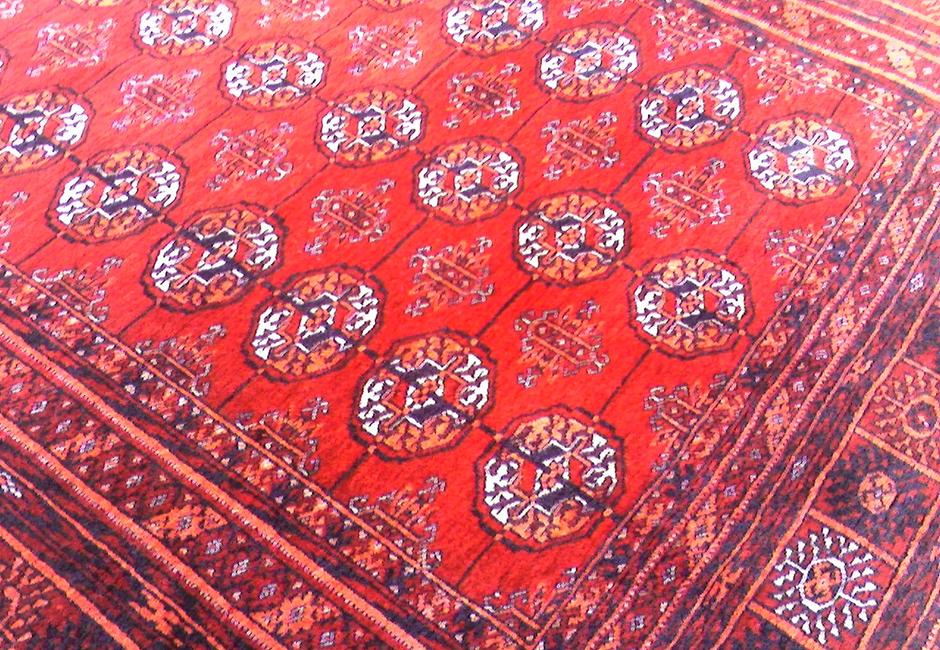
Traditional Turkmen carpet making is a world-famous art form that was officially inscribed on the UNESCO list of Intangible Cultural Heritage in 2019 because it is such a vital part of the history and soul of the nation. These hand-woven woolen carpets are much more than just floor coverings as they represent the identity of the five main tribes of Turkmenistan: the Teke, Yomut, Ersari, Chowdur, and Saryk. Each tribe has its own unique geometric patterns and linear arrangements that reflect the local environment including the plants and animals found in the region. The art of weaving these rugs has been passed down through families for centuries and was originally practiced by nomadic tribes using natural dyes and wool from their own herds. Since these tribes were often on the move, they used portable looms to create everything from large floor rugs to small bags and tent hangings and even special carpets for weddings, births, and prayer rituals. You can see how important this heritage is by looking at the national flag and emblem of Turkmenistan which proudly display the five traditional carpet patterns as a symbol of national unity and religious values. For travelers interested in this incredible craft, a visit to the Turkmen Carpet Museum in Ashgabat is a must as it houses over two thousand exhibits including rare antique pieces and the smallest carpet ever made which was designed to be worn like a key. The museum also highlights the giant achievements of the craft such as the world's largest handmade carpet which covers over three hundred square meters and earned a place in the Guinness Book of Records. If you are visiting in late May, you can join the national celebration of Carpet Day which takes place on the last Sunday of the month to honor the weavers and the beautiful red and tan designs that have made Turkmen carpets famous all over the world.
Year-round
2-3 hours
Highlights
Travel Tips
- •Remove your shoes before entering traditional weaving rooms
- •Ask before taking photos of artisans at work — some prefer not to be photographed
- •Be prepared to sit on the floor during demonstrations