The Language of Dress in Turkmen Culture
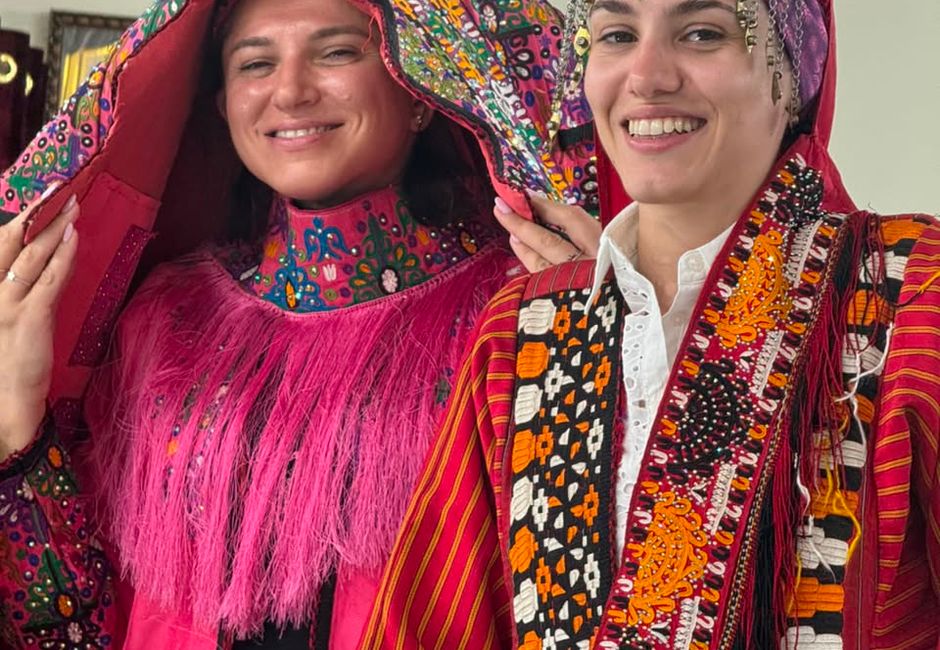
Turkmen traditional dress is one of the most vibrant and recognizable cultural expressions in Central Asia, reflecting a seamless blend of practical nomadic life and refined handcrafted artistry passed down through generations. For men, the most distinctive element of traditional attire is the Telpek, a large shaggy sheepskin hat typically made in white or black, designed not only as a cultural symbol but also as practical protection against the extreme climate of the desert, keeping the head cool in summer and warm in winter. Beneath this, men traditionally wear a koynek, a simple white shirt often distinguished by subtle yet intricate embroidery around the collar, paired with don and chakmen, heavy robes made from silk or wool that are especially notable in their deep red tones traditionally achieved through natural dyes such as pomegranate, and completed with balak, wide and comfortable trousers suited to the movement and demands of a nomadic lifestyle. Women's traditional clothing is equally expressive, centered around long flowing silk koynek dresses that are typically worn in bright shades such as red or purple, reflecting both aesthetic beauty and cultural identity, with each garment carefully detailed through hand stitched embroidery along the neck and cuffs where patterns often carry meanings tied to specific tribes or family heritage. A key part of women's dress is the yalyk, a beautifully patterned headscarf that not only serves as everyday attire but also communicates aspects of a woman's status and cultural background within her community. Complementing this rich clothing tradition is Turkmen jewelry, which is among the most distinctive in the region and is traditionally crafted from silver and adorned with semi precious stones such as turquoise and carnelian. These pieces were never purely decorative as they were historically believed to provide protection from misfortune and contribute to health and wellbeing while also serving a deeper social function, as the weight, design, and arrangement of bracelets, brooches, and headpieces once helped identify a person's tribal affiliation or regional origin, turning jewelry into a living record of identity and heritage.
Year round
2-3 hours
Highlights
Travel Tips
- •Visit markets to see handmade clothing and jewelry
- •Observe patterns as they often indicate regional identity
- •Be aware some older or valuable items may require export permission