Parthian Fortresses of Nisa
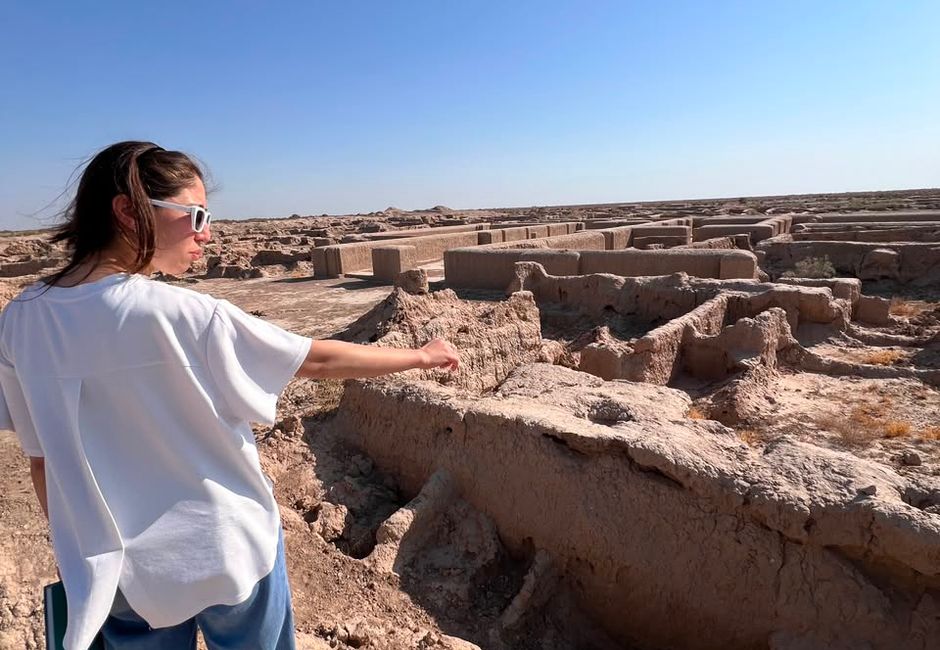
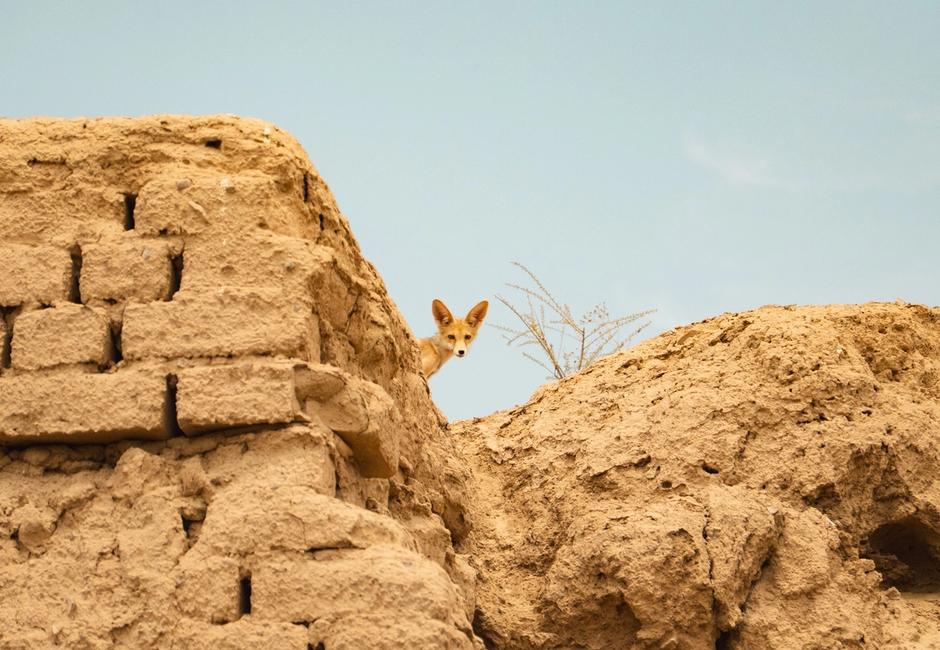
Two thousand years ago, the empire that Rome feared most ruled from the foothills of the Kopetdag — and Nisa was its royal seat. Founded, tradition holds, by Arsaces I around 250 BC and later renamed Mithradatkert, the "fortress of Mithradates", this was where the early Parthian kings kept their palaces, shrines and treasury while their cavalry humbled Roman legions far to the west. The city's end came not by siege but by earthquake, which levelled it in the first decade BC — a strangely fitting fate for a place whose walls now melt softly back into the earth they were raised from. The site is really two mounds: Old Nisa, the royal citadel whose 43-hectare platform visitors walk today, and New Nisa, the town tell beside it. Together they were inscribed by UNESCO in 2007 as the Parthian Fortresses of Nisa. Excavations — Soviet first, then a long-running Italian mission — uncovered grand ceremonial halls, inscribed archives and a famous hoard of ivory rhytons, ornately carved Parthian drinking horns; you can meet the finest of them afterwards in Ashgabat's National Museum, which is exactly how we sequence it on our private tours. What you see on the ground is quietly powerful rather than grand: massive mud-brick ramparts, the outlines of the Round Hall and tower rooms, and behind it all the wall of the Kopetdag mountains on the Iranian border. Nisa lies just 18 km west of Ashgabat, so it slots easily into a half-day — on most GÖL NOMADS itineraries it opens the day that continues to the vast Türkmenbashy Ruhy Mosque in nearby Gypjak, an Akhal-Teke horse farm and the Kow-Ata underground lake. Come in the morning before the heat, and let the guide bring the empire back up out of the clay.
Year round
Half day
Highlights
Travel Tips
- •Wear comfortable walking shoes – the site covers a large area with uneven terrain
- •Bring plenty of water and sun protection – there is limited shade
- •Hire a local guide to fully understand the historical significance